
Product
Methanol
BEC’s main product, 2 million tonnes per year, specified against the international IMPCA standard. A simple molecule that is the starting point for many industries.

What is methanol
Methanol, more than just a chemical
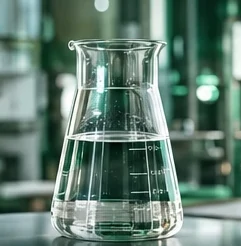
Methanol is a chemical compound with the formula CH₃OH - a clear, volatile liquid that is completely soluble in water. It is one of the world’s most important basic chemicals, because it is the starting point for hundreds of derivative products, from plywood adhesives, paint, and plastics to fuels.
Key properties
- Chemical formula
- CH₃OH
- Molecular mass
- About 32 grams per mole
- Appearance
- Clear, colourless liquid
- Boiling point
- About 65 °C
- Freezing point
- About −98 °C
- Density
- About 0.79 kg per litre at 20 °C
- Solubility in water
- Completely miscible in all proportions
- Flash point
- About 11–12 °C
- CH₃OHChemical formula
- ~32 g/molMolecular mass
- ~65 °CBoiling point
- ~0.79 kg/LDensity (20 °C)
Where methanol comes from
Four Main Production Pathways
Methanol can be made from a range of feedstocks, as long as they can be converted into syngas.
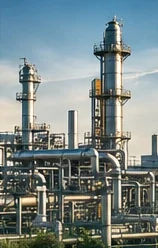
Natural Gas
The largest production route worldwide.
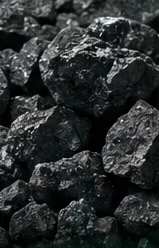
Coal
Dominant in China, and the route of BEC’s coal-to-methanol project.
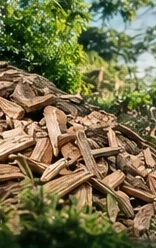
Biomass & Waste
Produces bio-methanol, still at a much smaller scale.
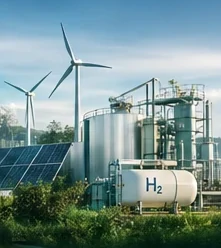
Renewable Sources
From renewable energy, producing e-methanol or renewable methanol.
Derivative industries
From one molecule to many industries
Methanol is the starting point for many derivative products used in industry and everyday life.

Formaldehyde
- Adhesive resin
- Plywood and particle board
- MDF and furniture
- Construction materials
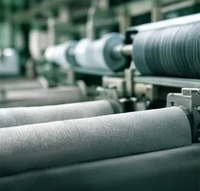
Acetic Acid
- Polyester fibres
- Paint
- Solvents
- Packaging
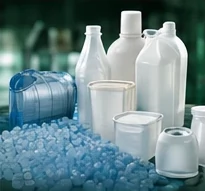
Olefins (MTO/MTP)
- Ethylene and propylene
- Plastic packaging
- Pipes
- Automotive components
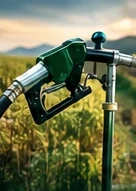
FAME
- Biodiesel blended with diesel
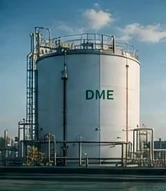
DME
- Alternative fuel replacing part of LPG use
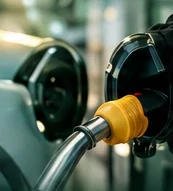
MTBE
- Gasoline octane enhancement

Methylamines, methyl methacrylate & other derivatives
- Pharmaceuticals
- Agriculture
- Acrylic products
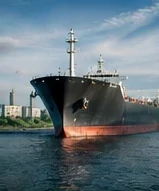
Direct use
- Solvent
- Antifreeze
- Wastewater denitrification
- Marine fuel
All the way to everyday products

Plywood, MDF & furnitureFrom formaldehyde 
TextilesFrom acetic acid 
Plastic packagingFrom olefins 
Automotive componentsFrom olefins 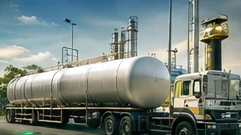
BiodieselFrom FAME 
Industrial chemicalsFrom various derivatives
Market opportunity
The Methanol Market Opportunity in Indonesia
Meeting methanol demand through domestic production
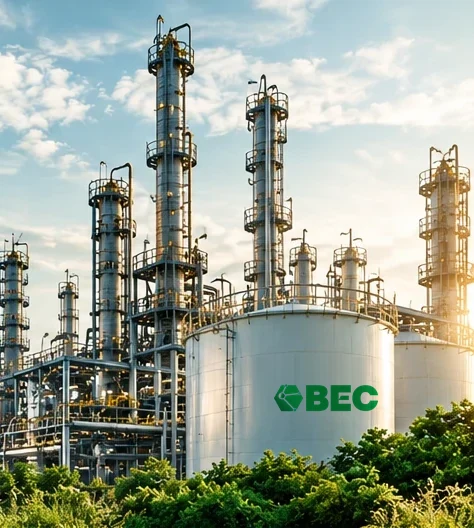
National demand is still largely met through imports, while demand keeps rising, driven among other things by the biodiesel programme. Domestic production can reduce import dependence and save foreign exchange.
 National demand
 Supply still largely imported
 Demand keeps rising
 Driven by the biodiesel programme
BEC production capacity
2 milliontonnes/year
Capable of meeting domestic market demand.
Market & import substitution
From Imports to Chemical Self-Reliance
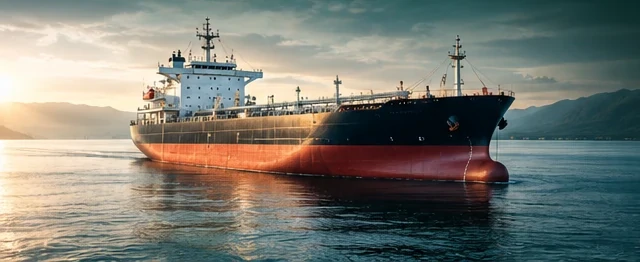
Domestic methanol production by BEC is key to reducing import dependence and strengthening national industrial resilience.
Imports
Currently meet most of national methanol demand - 68% in 2025.
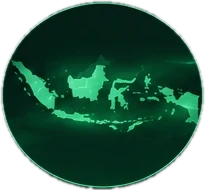
Indonesian market
Industrial demand keeps rising.
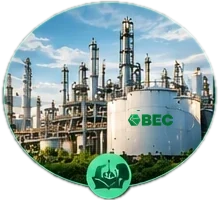
Domestic production (BEC)
2 million tonnes/year of capacity for the national market.
Reducing import dependence and strengthening national industrial resilience.
Specification
Product Specification
Based on the IMPCA Reference Specifications.
Quality snapshot
- Purity
- Min. 99,85 % W/W
- Water
- Max. 0,100 % W/W
- Colour
- Max. 5 Pt-Co
- Reference
- IMPCA
IMPCA Reference Specifications
| No | Test | Unit | Method | Limit |
|---|---|---|---|---|
| 01 | Appearance | - | IMPCA 003 | Clear, free of suspended matter |
| 02 | Purity on dry basis | % W/W | IMPCA 001 | Min. 99,85 |
| 03 | Acetone | mg/kg | IMPCA 001 | Max. 30 |
| 04 | Ethanol | mg/kg | IMPCA 001 | Max. 50 |
| 05 | Colour | Pt-Co | ASTM D 1209 / D 5386 | Max. 5 |
| 06 | Water | % W/W | ASTM E 1064 | Max. 0,100 |
| 07 | Distillation Range at 760 mm Hg | °C | ASTM D 1078 | Max. 1,0 |
| 08 | Specific Gravity 20°C/20°C | - | ASTM D 4052 | 0,7910-0,7930 |
| 09 | Potassium Permanganate Time test at 15°C | minutes | ASTM D 1363 | Min. 60 |
| 10 | Chloride as Cl- | mg/kg | IMPCA 002 | Max. 0,5 |
| 11 | Sulfur | mg/kg | ASTM D 3961 / D 5453 | Max. 0,5 |
| 12 | Water miscibility | - | ASTM D 1722 | Passes test |
| 13 | Carbonizables | Pt-Co | ASTM E 346 (2024) | Max. 30 |
| 14 | Acidity as Acetic Acid | mg/kg | ASTM D 1613 | Max. 30 |
| 15 | Iron in solution | mg/kg | ASTM E 394 | Max. 0,10 |
| 16 | Non Volatile Matter | mg/1000ml | ASTM D 1353 | Max. 8 |
| 17 | TMA | ppb | ASTM E 346 | Max. 50 |
FAQ
Frequently asked questions about methanol
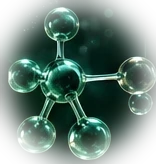
Methanol is the base feedstock for many derivative products - formaldehyde for plywood adhesives, MDF, and furniture; acetic acid for polyester fibres and paint; olefins for plastic packaging, pipes, and automotive components; FAME for biodiesel; DME; MTBE; and inputs for pharmaceuticals and agriculture. It is also used directly as a solvent, antifreeze, and marine fuel.
In 2025, 68% of Indonesia’s methanol demand was still met by imports. Domestic production reduces dependence on imports, saves foreign exchange, and secures feedstock supply for downstream industries in Indonesia.
Natural gas is the largest methanol production route worldwide, but Indonesia holds abundant low-rank coal reserves, including in East Kutai. This coal is uneconomical to ship over long distances as fuel, yet well suited to gasification - so converting it into methanol close to its source adds value to a domestic resource.